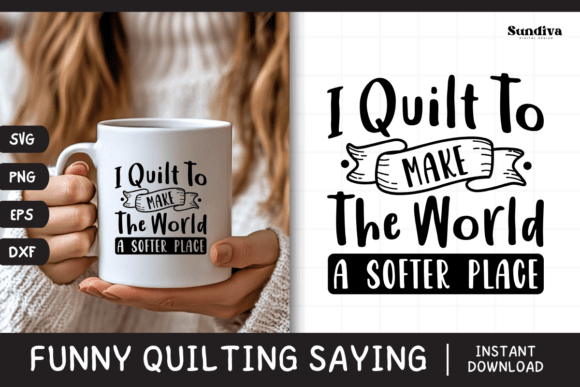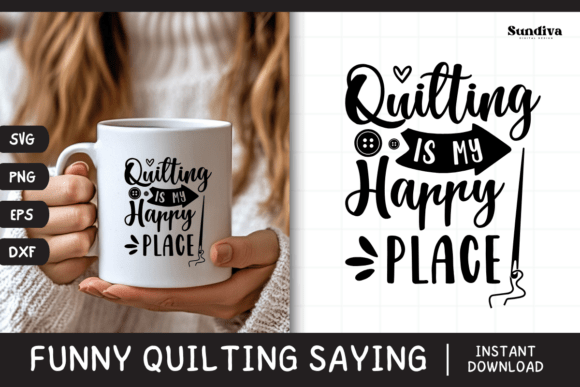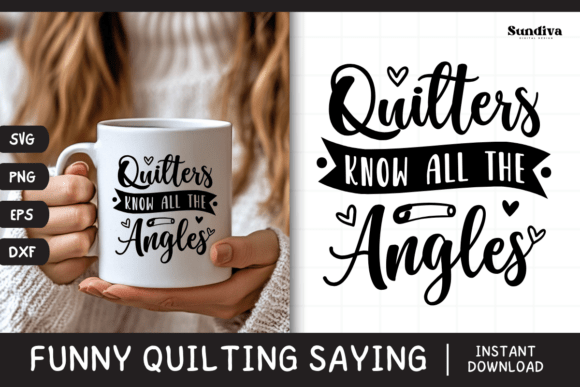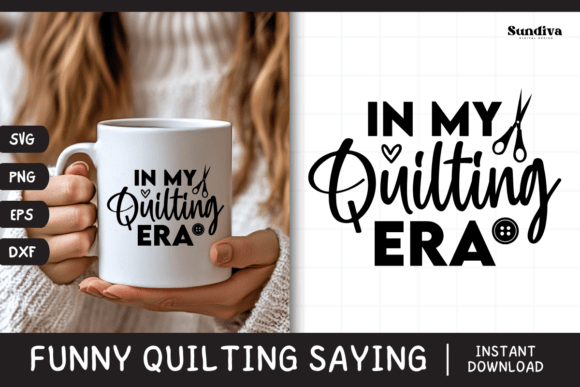
Funny Designer Quote SVG Design: A Playful Embroidery Asset for Creative Projects
As an experienced embroidery designer and product reviewer, I’ve had my fair share of evaluating digital embroidery files to determine their real-world usability. The Funny Designer Quote SVG Design caught my eye with its lighthearted charm and clear-cut purpose. It’s the kind of design that makes you smile before you even start stitching—something rare in the world of machine embroidery. Let’s take a closer look at how this design translates from screen to fabric and what it means for your next project.
First Impressions: Mood, Layout, and Visual Personality
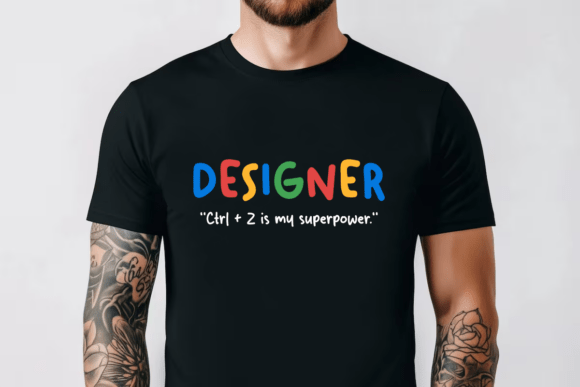
The Funny Designer Quote SVG Design brings a playful and professional vibe all at once. The quote is clever, concise, and instantly recognizable as something that would resonate with creatives—whether they’re fellow designers or just someone who appreciates good humor. The layout is balanced and easy to read, which is crucial when dealing with text-based designs. It features a clean font style that avoids overly decorative elements while still maintaining character, making it versatile enough for both casual and more polished items.
I found myself imagining it on a custom sweatshirt or tote bag immediately. The visual personality feels like it belongs in a crafts context—specifically, in the realm of graphics where personalization meets wit. It's not too loud, but it definitely has presence. That balance is key for any design intended for a wide range of applications.
Real-Life Performance: What Works and What Doesn’t
When considering how this design will perform in actual embroidery projects, there are a few important factors to weigh. First, let’s talk about stitch clarity. The text is bold enough to remain legible after embroidery, especially when using satin stitch around the letters and fill stitch behind them. However, if you're planning to use running stitch for outlines or borders, be prepared to adjust the density slightly depending on your machine and fabric choice.
This design shines on mid- to large-sized garments and accessories. For example, placing it on a custom embroidered tote bag could turn it into a statement piece for a local boutique or an Etsy listing. The same goes for sweatshirts, aprons, or pillow covers—anywhere a bit of personality can elevate the product without overwhelming it.
But here’s where things get interesting: when working with smaller hoop sizes, such as those used for embroidered patches or caps, the design needs some thoughtful resizing. The details remain intact, but tiny lettering might become less readable unless you have a high-quality machine and stable fabric. Also, if you plan to embroider on stretchy or thin materials, you’ll want to review stitch density and consider using a stabilizer to keep everything crisp and aligned.
Where to Use with Caution
- Small hoop sizes: While the design is scalable, shrinking it too much may compromise readability and stitch integrity.
- Textured fabrics: If you're using canvas, denim, or flannel, the texture can dull the contrast of the stitches, so thread color choice becomes even more critical.
- Dark fabric backgrounds: The default thread colors may not stand out well. Testing on a black or navy backdrop is recommended before mass production.
- Curved surfaces: When applying the design to a curved surface like a cap or a baby onesie, make sure your software allows for proper distortion or adjustment to maintain shape and alignment.
- Products that require frequent washing: Especially in commercial settings, check whether the design holds up under repeated laundering—this is where stitch density and fabric choice play a big role.
Thread Color Contrast and Fabric Compatibility
One thing I noticed right away was the need to evaluate thread color contrast carefully. The design doesn't specify exact thread colors, which is common with many digital embroidery files, but as a designer, I always recommend choosing shades that pop against the background fabric. White or light gray thread works beautifully on dark textiles, while deep navy or black adds punch on lighter ones.
Also, since the file includes a PNG with a transparent background, you can easily create mockups to test how different thread combinations will look. This is a great feature for Etsy sellers and handmade shop owners who rely on visuals to drive sales. A quick preview in both light and dark tones can help ensure the design looks good no matter what the customer chooses.
Visual Appeal and Customer Engagement
In today’s market, a design must do more than look good—it must speak to the buyer. The Funny Designer Quote SVG Design does exactly that. Its message is relatable and timely, especially for anyone involved in creative work. As a result, it naturally boosts visual appeal and increases buyer engagement, particularly in niches like personalized gifts or small shop merchandise.
Whether it's a holiday gift or a promotional item for a craft business, this design adds a layer of brand consistency and professionalism. It gives your finished product a distinct identity—something that stands apart in a crowded market. Customers don’t just buy a tote; they buy a sentiment wrapped in fabric. And that’s powerful.
Handmade Presentation and Giftability
For hobbyists and makers, this design enhances the handmade presentation of any project. It’s perfect for creating unique, personalized items like baby clothes or nursery decor. The phrase itself carries warmth and wit, making it ideal for gifting scenarios. Imagine a soft, embroidered kitchen towel with a funny yet heartfelt quote—perfect for a housewarming or wedding gift.
That said, if you're aiming for a minimalist aesthetic, this design might not fit. It leans toward the cheerful side, so it works best when paired with other design elements that complement rather than compete. Still, for most craft fairs or boutique lines, it's a strong contender for standout appeal.
Designer Notes: Practical Tips Before You Stitch
Here are a few tips I’d share with fellow embroidery designers and creative entrepreneurs before diving into a project with this design:
- Test it on scrap fabric first: Always run a sample to see how the stitches behave on your chosen material.
- Review stitch density: Depending on your machine and fabric, you may need to tweak the density to avoid puckering or stretching.
- Confirm hoop size: Check the original design dimensions and compare them to your available hoops. If needed, resize while keeping the aspect ratio intact.
- Inspect small details: Look closely at corners and edges to ensure they won’t distort when scaled down or stretched across a garment.
- Use proper stabilizer: Especially for delicate or stretchy fabrics, the right backing material can make or break the final result.
- Check licensing before selling: If you're planning to use this design in commercial embroidery or as part of digital product assets, confirm whether it allows resale of finished goods or redistribution.
These steps aren’t just for perfection—they're about ensuring your customers receive a product that looks as good in person as it does online. After all, the success of a handmade or boutique item often hinges on the little details.
Design Assets for Digital Sellers
If you're a digital product seller, the included formats (SVG, EPS, DXF) give you flexibility in how you present the design. You can offer it as a standalone machine embroidery file, include it in a printable mockup bundle, or pair it with other design assets for a cohesive collection. The high-resolution PNG also makes it suitable for website previews, social media posts, and packaging inserts.
What I appreciate most is that the design feels intentional. It's not just another meme or throwaway phrase—it's crafted to feel like a genuine conversation between maker and user. That kind of thoughtfulness can go a long way in building customer trust and increasing repeat sales.
Final Thoughts: A Versatile Addition to Your Embroidery Toolkit
The Funny Designer Quote SVG Design is more than just a fun graphic—it’s a practical tool for adding personality to your embroidery project. Whether you're embellishing custom apparel, creating a branded patch, or designing a unique personalized gift, this design brings value and charm to the table.
It’s not without its limitations, though. Pay attention to fabric type, hoop size, and thread contrast to make sure it performs as expected. But if you approach it with care—and maybe a little creativity—you'll find it's a solid asset that can enhance your finished product and engage your audience in meaningful ways.
So, if you're looking for a design that balances humor with professionalism, this one is worth considering. Just remember to test, adjust, and think through the context in which it will be used. That’s the hallmark of a great embroidery file—and a great designer.